


12 Nov Tremors and Shaky Hands: Common Causes and What a Neurologist Looks For
Noticing your hands shake when you lift a coffee cup or sign your name can be unsettling. Many people jump straight to worrying about Parkinson’s disease, but tremors have a long list of possible causes, and many of them can be managed well. At Long Island Neurology Consultants, our board-certified neurologists evaluate tremors and shaky hands at our Lynbrook office. The first step is always figuring out what kind of tremor you have.
What Is a Tremor?
A tremor is an involuntary, rhythmic shaking in one or more parts of the body. It shows up most often in the hands, though it can also affect the arms, head, voice, or legs. According to the National Institute of Neurological Disorders and Stroke, tremor is most common in middle-aged and older adults, but it can begin at any age.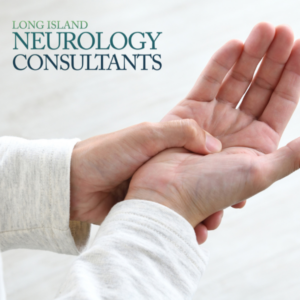
Common Causes of Tremors and Shaky Hands
- Essential tremor. This is one of the most common movement disorders. It usually affects both hands during activity, such as writing, eating, or holding a glass, and it often runs in families.
- Parkinson’s disease. This tremor is most noticeable when the hand is at rest and often starts on one side of the body. Not everyone with Parkinson’s has a tremor.
- Medications and caffeine. Certain asthma medicines, corticosteroids, and some medications for psychiatric and neurological conditions can cause shaking. Too much caffeine can as well.
- Other medical conditions. An overactive thyroid, blood sugar changes, stress, and fatigue can all bring on a tremor or make one worse.
- Other neurological conditions. Multiple sclerosis and stroke can also cause tremors.
What a Neurologist Looks For
Diagnosing tremors and shaky hands starts with a conversation and a careful neurological exam. During your visit, we pay attention to:
- When the tremor happens. At rest, while holding a position, or during movement.
- Where it appears. One side of the body or both, and whether the head or voice is involved.
- Other neurological signs. Muscle tone, strength, reflexes, balance, and speech.
- Your history. Medications, caffeine intake, family history, and how long the shaking has been going on.
Depending on what we find, we may order bloodwork to check for causes like a thyroid problem, or recommend neurological testing such as an MRI or EMG to rule out other conditions.
When to See a Neurologist for a Tremor
If your tremors or shaky hands are getting worse, make everyday tasks harder, or come with stiffness, slowness, or balance problems, it is time for an evaluation. Tremor is one of the many conditions we treat, and our team will explain your diagnosis and options so you stay involved in your care. Call 516.887.3516 or request an appointment at our Lynbrook office today.
Sorry, the comment form is closed at this time.